


Latest
Story
23 July 2024
Call for Applications: Join the UN Youth Advisory Body in Bosnia and Herzegovina
Learn more
Press Release
15 July 2024
UN Secretary-General’s Special Envoy for Road Safety Jean Todt to Launch UN Global Road Safety Campaign in Bosnia and Herzegovina
Learn more
Press Release
11 July 2024
Message for the first International Day of Reflection and Commemoration of the 1995 Genocide in Srebrenica
Learn more
Latest
The Sustainable Development Goals in Bosnia and Herzegovina
The Sustainable Development Goals are a global call to action to end poverty, protect the earth’s environment and climate, and ensure that people everywhere can enjoy peace and prosperity. These are the goals the UN is working on in Bosnia and Herzegovina:
Event
07 July 2023
Call for applications within the project “Supporting local agricultural and rural development planning”
Background
The call for application is implemented under the project titled “Supporting local agricultural and rural development planning” (TCP/BIH/3804) and is funded by the Technical Cooperation Programme of the Food and Agriculture Organization of the United Nations (FAO). The aim of the project is to support the enhancement of institutional capacities in rural development and community development planning, programming, coordination and implementation at cantonal and municipal levels in the Republika Srpska and in the Federation of Bosnia and Herzegovina.
Rationale for intervention
Under the TCP/BIH/3804 project seven Agriculture and Rural Development Plans are under formulation in the Republika Srpska and two in the Federation of Bosnia and Herzegovina. According to the Plans sustainable development of rural communities are vital for creating lasting positive change in the country. Sound planning and strategizing at the local level results in more targeted public sector interventions and expenditures related to rural development and agriculture, which leads to improved sustainable management of natural resources and better economic well-being of the rural communities in the long-run.
The project is implemented in Una-Sana Canton and city of Bihac in the Federation of Bosnia and Herzegovina and the municipalities of Gacko, Rogatica, Rudo, Visegrad, Osmaci, Foca and the City of Zvornik in Republika Srpska – all of these local authorities have committed to developing and later adopting the Local Agriculture and Rural Development Plans following the guidance and support of FAO.
Agriculture has a strategic role in providing employment, nutrition and food security in the target municipalities. On farm processing and direct sale to intermediaries are the main marketing channels for the agriculture producers in the project areas, and in order to strengthen the market position of primary producers, a number of interventions are needed in the value chains of the priority agricultural products in the project areas.
In Republika Srpska this call for application is aimed for piloting funding of a few small-scale demonstration projects, corresponding with the strategic priorities defined by the Local Agriculture and Rural Development Plans of the municipalities listed below:
Osmaci: The municipality covers an area of 78,10 km². The municipality of Osmaci is located in the eastern part of Republika Srpska and Bosnia and Herzegovina in a region that is regionally known as Srednje Podrinje or the Birač region. Using data from the 2013 Census, it was determined that the total number of inhabitants is 5,546. According to statistical records, 1,675 households live in the territory of the municipality, of which all households, as already mentioned, are located in an area classified as rural. The average age of the owner of an agricultural holding determined by survey research is 58 years. Agriculture of the region mainly includes subsistence and semi-subsistence farming. Land fragmentation, lack of agricultural machinery and technologies, abandoned lands, outmigration from the rural area and negative demographic trends are the main obstacles to agricultural development.
As priority value chains for development in Osmaci were selected raspberry production and distribution, beekeeping and honey production.
City of Zvornik: Zvornik is located in the eastern part of the Republika Srpska. The town of Zvornik lies on the eastern slopes of the Majevica mountain at an altitude of 146 m. The area of the city of Zvornik is 382 km2. Using data from the 2013 Census, 54,407 inhabitants live in the territory of the city of Zvornik. According to statistical records, 17,690 households live in the city area, of which we can assume that 80% are rural households. The average age of the owner of an agricultural holding determined by survey research is 59 years. The food sector in this city is one of the strongest in the project area. Despite the relatively high production, small and medium farmers are facing similar constraints as in small municipalities: a strong focus on primary production and challenges related to the storage and marketing of the produce.
As a priority value chain for development in the city of Zvornik was selected fruit production and processing, both organic and conventional.
Višegrad is located in the eastern part of the Republika Srpska. The area of Višegrad is 448 km2. Using data from the 2013 Census, 10.118 inhabitants live in Višegrad. The total rural population is 5,289, or 49.6%. Despite the accelerated development of urban tourism in the area of this municipality, this growth did not spread to rural areas and agricultural development, and the main reason is migration from rural areas and negative demographic trends.
As priority value chains for development in Višegrad were selected raspberry production and processing, greenhouse production, honey production and beekeeping.
Rogatica: The municipality of Rogatica is located in the middle of the eastern part of the Republika Srpska and Bosnia and Herzegovina, on an area of 645.92 km2. According to the results of the last population census in Bosnia and Herzegovina (2013), the total number of inhabitants in the Municipality of Rogatica was 10,302. About 40% of the population lives in the rural part of the municipality. This is the largest agricultural area within the project site in terms of resources and production intensity. However, despite a good resource base, there is a low degree of product finalization and added value.
As priority value chains for development in Rogatica were selected production and geographic identity protection of rogatic potatoes, meat production and processing in the cow-calf system, and milk production and processing.
Rudo: The territory of the municipality of Rudo is located on the triple border of Republika Srpska, Serbia and Montenegro. The area is distinctly hilly and mountainous, with villages scattered and intersected by mountain passes on an area of 344 km2. According to the results of the last population census in Bosnia and Herzegovina (2013), the total number of inhabitants in Rudo Municipality was 7,578 inhabitants in 89 associated settlements. The rural population numbers 6,203 people or 77.9% of the total. Despite the modest resource base, the small number of farms and low economic development, the municipality is distinguished by a strong agricultural cooperative and good projects of established value chains in raspberry production and milk processing, which should be further developed.
As priority value chains for development in Rudo were selected, raspberry production and distribution, milk production and processing, and rural tourism.
Foča: The municipality of Foča is located in the southeastern part of Bosnia and Herzegovina, within the Republika Srpska entity. Foča is located on the banks of the Drina River. The municipality of Foča covers an area of 1,115 km2. According to the 2013 census, the municipality had 18,288 inhabitants. 7,051, or 38.6% of the population, live in rural areas. The municipality, which lies in the heart of the national park and which does not sufficiently take advantage of the links that can be developed between agriculture and tourism, needs to strengthen value chains in fruit growing and meat and milk production through the improvement of production and processing technology.
As priority value chains for development in Foča were selected meat and milk production and processing, plum and raspberry production and processing, and beekeeping and honey production.
Gacko: The municipality of Gacko is located in the southeast of Republika Srpska and Bosnia and Herzegovina. In terms of altitude, it is the highest mountain part of Herzegovina, with an average altitude above 1000 meters above sea level. The altitude of the Gacko settlement is 956 meters above sea level. The surface area of the municipality is 736 km². According to the results of the last census in Bosnia and Herzegovina (2013), the total number of inhabitants in the Municipality of Gacko was 8,710 inhabitants in 71 associated settlements. Of the total number of inhabitants, 40% live in rural parts of the municipality. Gacko is a typical mountain municipality with recognizable animal products that easily find their place on the market but which should be branded and protected so that the added value and benefit for the producer would be greater.
As priority value chains for development in Gacko were selected, Gacko cream (kajmak) production, beekeeping and honey production.
In the Federation of Bosnia and Herzegovina, this call for application is aimed for piloting funding of a few small-scale demonstration projects, corresponding with the strategic priorities defined by the Strategy of Agriculture and Rural Development for the Period 2023 -2027 for Una-Sana Canton and by the Local Plan of Agriculture and Rural Development for the Period 2023-2027 of City of Bihać:
Una-Sana Canton: The Una-Sana Canton is located in the extreme north-western part of Bosnia and Herzegovina, bordering the southern and south-eastern parts of the Republic of Croatia. It is one of the ten cantons of the Federation of Bosnia and Herzegovina, and with an area of 4,125 km2 it covers 15.8% of the territory of the Federation of Bosnia and Herzegovina, i.e. 8.1% of the total territory of BiH. In the territorial-political system this Canton is organized by eight local self-government units (municipalities/cities): Bihać, Bosanska Krupa, Bosanski Petrovac, Bužim, Cazin, Ključ, Sanski Most and Velika Kladuša. In 2021 the Canton area was populated with 264,248 inhabitants, out of which 13.42% are under 14 years old and 14.35% are over 65 years old. According to the 2013 Census, a total of 78,255 households live in the area of the Una-Sana Canton, of which 60.98% or 47,718 households are located in rural settlements and 39.02% or 30,537 households in the urban part of the Canton. Favourable climatic conditions and available land resources enable a greater number of agricultural productions, but as in most of the BiH, the agricultural sector faces numerous problems such as small holdings, poor equipment and low technical-technological levels of production.
As priority value chains for development in Una-Sana Canton were selected beekeeping and honey production, meat production and processing.
City of Bihać: The city of Bihać is located in the north-western part of Bosnia and Herzegovina, administratively belongs to the entity of the Federation of Bosnia and Herzegovina and is the administrative, economic, cultural, university and sports centre of the Una-Sana Canton. The city of Bihać covers an area of 900 km2, which is 21.8% of the territory of the Una-Sana Canton and 1.7% of Bosnia and Herzegovina. The average altitude is 224 meters; most of the territory of the City is located on terrains up to 600 meters above sea level, while its smaller part is located in the mountain and hill-mountain zone at an altitude of over 900 meters. In 2021, a total of 55,291 inhabitants lived in the City of Bihać. According to the data from the Census, in 2013, a total of 18,293 households lived in the area of the City of Bihać, out of which 26.66% or 4,877 households were located in rural settlements, and 73.34% or 13,416 households in the urban part of the City. Agricultural production is an important part of the City's economy, especially vegetable and milk production, and recently honey production has experienced a special expansion.
As priority value chains for development in the City of Bihać were selected vegetable production and distribution.
All these municipalities and cities, to a greater or lesser extent, are characterized by large spatial dispersal, lack of organization of agricultural production and poorly developed value chains. In terms of value chain improvement, two directions were identified. One direction refers to production, which is characterised by the low level of production technology, low yields, lack of equipment and mechanization, and lack of access to knowledge and information. The second direction refers to the processing, which in most cases takes place on the farm and is performed by women, where there is a lack of quality and safety checks lack of adequate packaging, resulting to the exclusion of traditional products from formal marketing channels.
Women’s high involvement in manual activities, as well as unpaid housework, including care work, leads to their economic dependency and invisibility of their work. The lack of opportunities for youth to be employed in rural areas is another challenge due to the limited number of full-time jobs in these rural areas. It leads the young generation to move to the towns and cities and leaves them uncertain about their future. This leaves elderly households with no labour force for the extension of agriculture production and larger agriculture households with a lack of seasonal workers to be hired, which creates great need in automation and digitalisation of the production process.
These crucial factors create the necessity to encourage and support those most marginalized groups to participate in and benefit from the intervention. Specifically, it is needed to support youth, women, people with disabilities and others in the key relevant areas (relevant to the grant measure) where they already figure prominently.
Sustainable development of rural areas cannot be achieved successfully without improvement of competitiveness of the agricultural sector, including technical-technological renewal, support of valuable economic initiatives, support of agricultural holdings, smallholders and family farms and local population through rural development grant programmes.
During the implementation of this project and preparation of LARDs, FAO national consultants, in cooperation with the private sector and representatives of local self-government, defined activities for the improvement of value chains at each of the communities within the project area which should contribute to the improvement of competitiveness of producers and producer organisation, but also to the improvement of quality of life in rural areas.
Scope and actions
According to the local Agriculture and Rural Development Plans formulated in each of the target municipalities, existing production in the communities is limited to primary products, whereas to increase income of the local population, it is crucial to develop the value chains. The current technological and equipment levels of the agricultural sector in the communities necessitate their further support, which will largely contribute to the improvement of competitiveness and income generation in the communities. Therefore, the measure targets the support of the following direction through two sub-measures:
Measure 1: Investments in tools and equipment for value adding to agricultural products:
Agricultural processing equipment; small agriculture machines.
Equipment and tools for marketing, sorting and packaging.
Measure 2: Investments in infrastructure related to primary agricultural production:
Irrigation equipment, greenhouses, etc.
Each applicant can apply to only one measure.
Territorial scope
Eligible grant projects may only be implemented in Una-Sana Canton and city of Bihać in the Federation of Bosnia and Herzegovina and municipalities of Gacko, Rogatica, Rudo, Visegrad, Osmaci, Foca and the City of Zvornik in the Republika Srpska that are the project sites which have been pre-identified and recommended by the state and entity-level governments during the development of the Technical Cooperation Project TCP/BIH/3804 – “Supporting local agricultural and rural development planning”.
Applicants: Who may apply?
The aim of the small-scale investment intervention is to make a benefit for the maximum of local people, not only the individual. Therefore, those interventions will be found eligible, which bring benefits to the majority of the community directly or indirectly.
Producers’ or farmers’ associations, organizations and unions; cooperatives, for which agriculture is either the main or additional field of activity and other types of membership-based organizations, which among other things, are involved in agriculture that are legally registered and operating in one of the locations in Bosnia and Herzegovina mentioned under section 3, have a bank account, are not in the state of bankruptcy and have not received the same type of tool/equipment under another grant support during the last 1 year are eligible to apply on this call.
Duration of the projects
The deadline for the realization of the grant project activities is 31st December 2023.
Deadline for submission of the applications:
The deadline for submission of applications is 21st July 2023, at 17:00.
Further information related to the administration and submission procedure can be found in the documents below.
1 of 5
Press Release
05 July 2023
Presenting the joint United Nations project "Women Driving Resilience in Agriculture and Rural Areas"
Women make up as much as 49.8% of the population in rural areas, and only 38.3% of women are owners or co-owners of agricultural land. Of the actively employed women in BiH, 20.5% of them work in agriculture, while only 18.3% of agricultural farms are run by women. The joint project of UN Women BiH and the UN Food and Agriculture Organization (FAO), financed by Sweden, aims to remove the structural barriers faced by women in rural areas through the introduction of technologies that would save time and make their work easier, as well as to present innovative sources of financing. Through training women in rural areas to better cope with the specific challenges of doing business in agriculture, the project will improve living standards, as well as the socio-economic position of families in rural areas.
"It is a great honor for us that the Ministry of Foreign Trade and Economic Relations of Bosnia and Herzegovina will take part in the Steering Committee of this project, and that we will provide our expertise in its implementation. We are also glad that we will have the opportunity to expand cooperation with entity ministries in the creation of strategies for agriculture that will especially focus on gender equality," said Slobodan Cvijanović, Assistant Minister of Foreign Trade and Economic Relations of Bosnia and Herzegovina.
„Today the UN team in Bosnia and Herzegovina is strengthening our support to the critical role of women in agriculture and rural development. Whilst just over 20 percent of women in BiH work in agricultural activities in rural areas, according to the Sarajevo Economic Institute (2018), many are engaged in the lower value chain activities with less decision-making authority and profitability. Women in rural areas therefore represent an important, yet still untapped, resource for the country. The UN is looking forward to working with all stakeholders, especially rural communities, agricultural producers, government counterparts and the women themselves, to improve the lives of women in rural areas across BiH, which will in turn benefit the broader social and economic development of the country,“ said Ingrid Macdonald, UN BiH Resident Coordinator.
“Equal opportunities for all, including gender equality, is important to Sweden and is an integral part of everything we support. That is why we are pleased to fund this project that will empower women in agriculture and rural areas to better manage challenges they are facing. The aim of the project is an improved environment for women and girls engaged in agricultural activities supporting them in advancing their socio-economic position,” said Eva Gibson Smedberg, Head of Development Cooperation at the Embassy of Sweden in Sarajevo.
A meeting of the project’s Steering Committee was also held today, consisting of representatives of the Ministry of Foreign Trade and Economic Relations of BiH, Agency for Gender Equality of BiH, Ministry of Agriculture, Water Management and Forestry of FBiH, Ministry of Agriculture, Forestry and Water Management of RS, as well as representatives of Sweden and UN agencies in Bosnia and Herzegovina.
These activities are part of continuous work of UN Women on economic empowerment of women in BiH, as well as continuous support to women in agriculture and in rural areas, supported by Sweden. Since 2021, UN Women has been working to establish cooperation in this area with municipalities and cities throughout Bosnia and Herzegovina from both entities.
1 of 5
Story
05 July 2023
WHO 75: 75 Years in Service of Improving Public Health
The first half of the 20th century saw some of the most tragic and destructive global events in human history. Societies have suffered a devastating loss of lives, food scarcity, destroyed public health services, and an unprecedented number of displaced persons.
There were legitimate concerns that epidemic outbreaks would rapidly spread throughout the population, such as the one known as the Spanish flu at the end of the World War I, with estimated deaths ranging from 17 – to 50 million people.
In April 1945, leaders from around the world gathered in San Francisco, United States of America, to establish the United Nations. At the meeting, they also agreed on the creation of another global organisation, specifically devoted to global health rather than global politics, an organisation that would prevent and control disease so that everyone could attain health and wellbeing at the highest possible level.
The World Health Organization (WHO) was established three years later, with its constitution coming into effect on 7 April 1948, marked from then on as World Health Day.
The WHO Charter, or its constitution, states that health is a fundamental human right that every human being is entitled to "without distinction of race, religion, political belief, economic or social condition" and that "the health of all peoples is fundamental to the attainment of peace and security."
Public health has changed dramatically in the 75 years since the launch of the World Health Organization.
Over the past seven and a half decades, there has been extraordinary progress in protecting people from diseases and destruction, including smallpox eradication, reducing the incidence of polio by 99%, saving millions of lives through childhood immunisation, declines in maternal mortality, and improvement of health and well-being for millions more.
However, the successes so far do not mean that WHO’s work is finished. There are new, critical health threats, such as COVID-19 or climate change- related events, and these are expected to become more frequent and more severe. That is one of the reasons WHO is urging Member States to take action to place health high on the political and development agenda and increase investments in health.
The health workforce is critical. Continuous and increasing investments in education, skills, and decent jobs for health need to be prioritised to meet the rapidly growing demand for health and addressing changing health needs. Without drastic change, a shortage of 10 million health workers is projected by 2030, primarily in low- and middle-income countries.
"We have to work hard at coming together to confront these health threats. This means thinking beyond nationalistic priorities, it means coming together around joint priorities, and most importantly, it means supporting organisations like WHO that work for the collective good," stated Dr Tedros Adhanom Ghebreyesus, WHO Director-General.
One of the actions WHO has achieved, in collaboration with Member States, is taking action to promote health by preventing disease and addressing the root causes of ill health. This resulted that between 2017 and 2022, 133 governments increased an existing or introduced a new tax on products that harm health, such as tobacco and sugary drinks.
What’s in the future for WHO?
At this year’s Seventy-sixth World Health Assembly, the UN agency’s decision-making body, Dr Ghebreyesus, WHO Director-General, warned that the end of COVID-19 as a global health emergency is not the end of COVID-19 as a global health threat, urging countries to prioritise primary healthcare as the foundation of universal health coverage.
"The COVID-19 pandemic has shown that protecting health is fundamental to our economies, societies, security and stability," said the WHO Director-General.
Learning from the worst pandemic in recent history, WHO stands ready to support the world's countries as they negotiate a pandemic accord, the revision of the International Health Regulations (2005), and other financial, governance, and operational initiatives to prepare the world for future pandemics.
Over the past five years, WHO has invested in science and digital health, creating a science division. The investment has come at the time when science is under sustained attack every day. Disseminating evidence-based and scientifically underpinned information is of the utmost importance. Countries must protect the public from misinformation and disinformation, the results of such actions are still alive in our minds and even in our lives still. The future of health depends on how well all of us, together, power health through science, research, innovation, data, digital technologies and partnerships.
"The history of WHO demonstrates what is possible when nations come together for a common purpose," said Dr Tedros Adhanom Ghebreyesus, who has led the organisation through the COVID-19 pandemic.
1 of 5
Story
13 June 2023
LGBTIQ+ refugees and asylum-seekers must feel safe and accepted
Local community as a whole must send a message to LGBTIQ+ refugees and asylum-seekers that they are welcome in BiH, safe and accepted.
Even though BiH government, civil sector and local community are giving their best to welcome LGBTIQ+ refugees and asylum-seekers, there are still some challenges that we are all facing as a community.
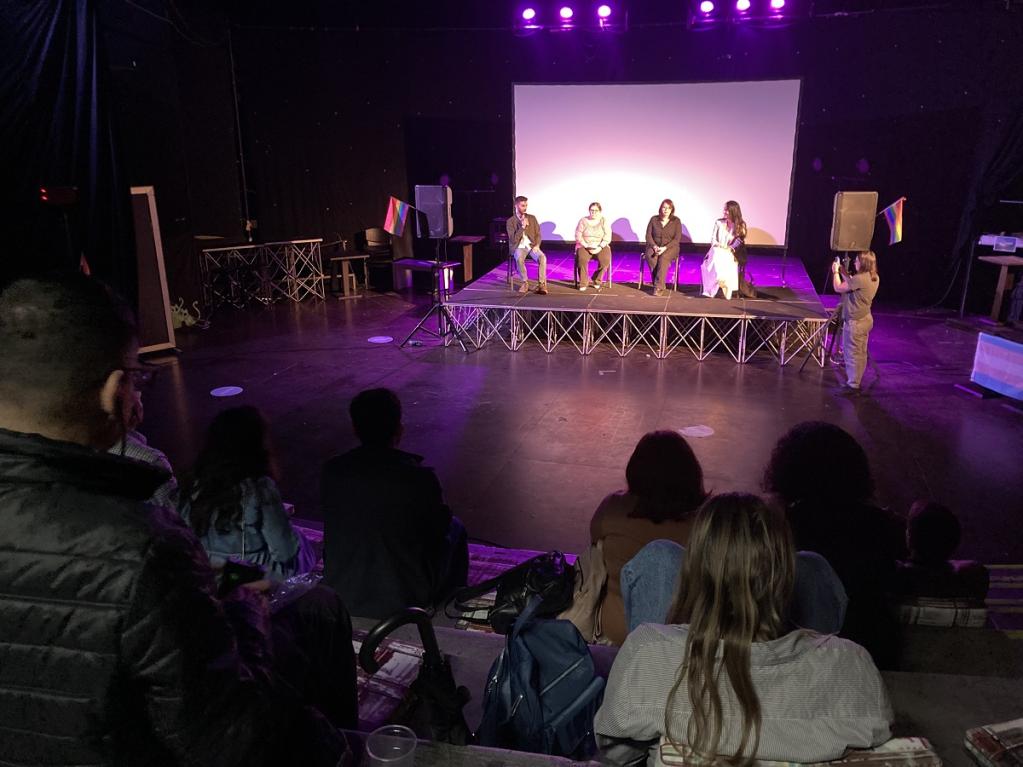
“In the year when the humankind is marking the 75th anniversary of the Declaration of Human Rights, when we think that a lot has been done, we are still facing certain challenges. For example, among asylum-seekers, same sex couples are not recognized as families, and are often put in different accommodations far away from each other,”
said Gabrijela Rubić, Project Manager at UNHCR’s partner Bosnia and Herzegovina Women’s Initiative (BHWI), during a panel discussion organized by BiH Pride March with support from UNHCR.
The discussion followed a screening of a Mexican film Luciernagas (Fireflies), which depicts a deeply human story about a young gay man who fled from persecution in Iran and ended up living in the limbo of exile, far from everything he knows, in the tropical port town of Veracruz, Mexico. While dealing with the distance between himself and his loved ones, he began to discover a new life, and started to integrate into the new community.
“Throughout our long-term experience working with refugees and asylum-seekers, including with LGBTIQ+ persons, we have seen many similar cases like in the film. Some scenes from the film reminded me of situations we had with refugees who thought us how to dance Salsa while we thought them how to dance Bosnian ‘kolo’,” said Rubić.
LGBTIQ+ refugees and asylum-seekers feel alone in often homophobic environments. They often fear for their safety, fear from rape threats and are additionally isolated.
“We need to invest in constant education of a wider community,” said Marija Šarić, Project Manager at NGO Wings of Hope, concluding that all parts of our community have responsibility to provide hospitality to all refugees.
“The workshop that we had last year with LGBTIQ+ refugees and asylum-seekers and local community, with support from UNHCR, had provided a safe environment for those people and an environment where they felt accepted. Many of them felt uncomfortable going back to their temporary accommodations afterwards. This shows that civil sector and donor community should invest additional efforts in similar activities and projects that will ensure that these people feel physically safe and accepted,” said Mirjana Gavrić, psychotherapist.
1 of 5
Story
30 June 2023
Macdonald: Media freedom is of central importance for UN in BiH and the world
The Resident Coordinator of the United Nations in Bosnia and Herzegovina, Ingrid Macdonald, noted Monday at the conference 'Media Innovation and Trends - Media Freedom and Shaping the Future of Media' organized by the FBiH News Agency (FENA) in Sarajevo that media freedoms are a topic that is of central importance for the United Nations not only in Bosnia and Herzegovina but around the world.
“This is something we're working on and support, not only as representatives of the UN Secretary-General in BiH but also UNESCO, the Office of the High Commissioner for Human Rights and others,” said Macdonald, who was the keynote speaker of the first panel at the conference.
Concerned about the situation in which the media and journalists are at the global level, she stated that the UN has established a comprehensive Plan of Action for the Safety of Journalists to end impunity for crimes committed against them.
“We're not just talking about physical attacks, but also online, economic and legal attacks. There are many ways to attack and threaten journalists,” Macdonald said.
In recent statements during World Press Freedom Day, she recalled, the UN Secretary-General emphasized the need to address attacks on journalists and stressed the importance of halting attacks on those who speak the truth.
“Unfortunately, we didn't notice that the situation at the global level has improved. Journalists and truth are still and to an increasing extent victims,” she said.
As an example, she cited the Covid-19 pandemic campaign, where there is great concern that facts are being misinterpreted, used and abused.
“This is often seen here on the political side, but also in other areas, such as climate change. Not only are journalists attacked, but also scientists, doctors, technicians and others. This causes great concern of the UN,” said Macdonald.
Speaking about Bosnia, she said that the latest developments on the political scene, especially the proposed criminalization of insult and slander, cause concern, and that this could be used to suppress critical voices in the media and among journalists.
She added that the comments of UN Special Rapporteurs on freedom of opinion, expression, freedom of peaceful assembly and association, especially the criminalization of insults, are definitive and explicit in terms of democratic standards, and freedom of expression is very important, and it is necessary to achieve that balance.
“It is important that the authorities withdraw the proposed draft amendments and the criminalization of defamation and insults because they are contrary to the standards,” Macdonald noted.
The UN office in BiH, she said, published a comprehensive report on the safety of journalists, and does so continuously in order to highlight the importance of the topic.
“Many will say that there are numerous challenges that journalists face in performing their work. Not only are there political pressures on the media that are noticeable, but also economic pressures, verbal attacks, threats, online and judicial harassment, limiting the right to access information,” she stressed.
She concluded by saying that the UN is fully dedicated to providing support and facilitating journalists’ work in BiH, ensuring better protection of journalists in a more favourable environment for the media.
1 of 5
Story
23 July 2024
Call for Applications: Join the UN Youth Advisory Body in Bosnia and Herzegovina
The Youth Advisory Body (YAB) is a group of youth leaders in Bosnia and Herzegovina established by the United Nations in Bosnia and Herzegovina to provide strategic advice, advocate for youth participation, and offer insights into youth-related programming and initiatives, ensuring that the voices of young people are integrated into decision-making processes. Are you a young person with a passion for youth work and empowerment? Do you have a track record of engaging with youth issues and a commitment to making a positive impact in your community and beyond? If so, we have an exciting opportunity for you! Who We Are Looking For: Age Requirement: Candidates must be aged between 18 and 29 years old throughout the entire mandate period until 12 August 2026. Citizenship and Residence: Candidates must be citizens and residents of Bosnia and Herzegovina. Relevant Experience and Commitment to Youth Empowerment: Candidates should have a demonstrated track record in youth activism, youth work, youth empowerment, youth policy, youth advocacy, or similar areas, with at least three years of experience. Active Participation in Relevant Organizations: Candidates should be actively involved in organizations or structures that represent or associate young people, such as local youth councils, student councils, youth clubs, or other types of youth organizations or organizations for youth. Candidates working on youth issues as part of think tanks, media, educational, or research institutions are also encouraged to apply. Network Building: Candidates should have a demonstrated ability to build and maintain networks within the youth community and beyond. Leadership Experience: Leadership experience in youth associations or activist work is desirable. Understanding of Public Governance in BiH: A solid understanding of the country's public governance system, including its challenges and opportunities, to ensure that proposals made to the UN and, by extension, to the government, are realistic and implementable. Communication Skills: Excellent communication skills, both written and oral, in local languages and preferably in English, to effectively articulate the board's work and engage with a broad range of stakeholders. Advisory/Analytical Skills: Strong advisory and analytical skills are desirable, enabling the member to critically evaluate policies, programs, and initiatives, and provide constructive feedback and recommendations to the United Nations in Bosnia and Herzegovina. Diverse Representation and Inclusion of Marginalized Groups: Candidates should reflect the diverse socio-cultural, ethnic, and geographical makeup of Bosnia and Herzegovina, ensuring gender balance and representation of marginalized and minority groups. Priority will be given to those from underrepresented or disadvantaged groups (e.g., Roma, people with disabilities, LGBTQI, rural women, youth survivors of violence). Participation Expectations: YAB members are expected to participate in at least two in-person meetings annually, actively engage in online discussions, and facilitate distribution and consultations with youth in their networks. Role of the UN Youth Advisory Body (YAB) Advise on Youth Engagement: Provide strategic guidance on effectively engaging youth and enhancing their participation in decision-making processes. Insight into Youth Programming: Offer valuable insights into youth programming and projects at the UN Country Team (UNCT) level. Feedback and Consultation: Conduct and analyze consultations with diverse youth groups to ensure their perspectives are incorporated into strategic decisions when needed. Information Dissemination: Ensure that information reaches a diverse youth audience, including those in hard-to-reach settings. Community Engagement: Engage directly with a broad community of young people to identify and address emerging issues. Representation: Act as the voice of young people in Bosnia and Herzegovina, providing input on youth-related UN activities. Event Participation: Attend UN events to represent and advocate for youth engagement. Uphold UN Values: Adhere to the UN’s code of conduct principles and values in all communications and interactions. How to Apply To apply for the UN Youth Advisory Board, please complete the application form by 1 August. Only shortlisted candidates will be invited for an interview. Six members will be selected through this call, and three additional members will be directly nominated by the Youth Council of Brčko District of Bosnia and Herzegovina (VSMBD), the Youth Council of Republika Srpska (OSRS), and the Youth Council of the Federation of Bosnia and Herzegovina (VM FBIH). The members of the YAB will serve for a term of two years (2024-2026). Membership in YAB is voluntary and without compensation. However, all costs related to participation will be fully covered.We look forward to your application and the possibility of working together to empower and uplift the youth of Bosnia and Herzegovina.
1 of 5

Story
30 May 2024
Digital Art Competition - Generation Equality: Redefining Gender Roles
You are between 18 and 35 years old?You believe in gender equality and realizing women’s rights for an equal future?You want to express your vision of a gender-equal generation through digital art?Unleash the power of your creativity!UN Women in Bosnia and Herzegovina is organizing a Digital Art Competition under the Generation Equality campaign, in the lead up to the 30th anniversary of the groundbreaking Beijing Declaration and Platform for Action that set out how to remove the systemic barriers that hold women back from equal participation in all areas of life – a visionary agenda for the empowerment of women and girls still to date.SUBMIT YOUR DIGITAL ART AND JOIN UN WOMEN AS A GLOBAL CHAMPION FOR WOMEN AND GIRLS! Find more information about the competition below. You can upload your digital art form here. Brief to Participants Background:UN Women in Bosnia and Herzegovina is organizing a Digital Art Competition within Generation Equality, the world’s leading initiative to accelerate investment and implementation on gender equality. Convened by UN Women, the initiative aims to ensure that the bold ambitions of the 1995 Beijing Platform for Action on women’s rights are finally implemented, and that the Sustainable Development Goals are achieved. Generation Equality also aims to expand public support for gender equality, with a focus on catalyzing the energy, activism and ideas of young people. In the lead up to the 30th anniversary of the groundbreaking Beijing Declaration and Platform for Action, which set out how to remove the systemic barriers that hold women back from equal participation in all areas of life. It is a visionary agenda for the empowerment of women and girls, everywhere, still to date.UN Women in Bosnia and Herzegovina joined the global Generation Equality initiative in 2021. Continuing its activities in 2024, two dialogues were held, with private sector and youth, in January 2024 in Sarajevo. The central event, gathering diverse groups of more than 120 stakeholders, while honoring 23 commitment makers, was held ahead of International Women’s Day, on 7 March 2024. As a continuation of Generation Equality, UN Women BiH is organizing a digital art competition on redefining gender roles and rewriting social norms. The deadline for submission is 23 June 2024.Ten finalists will be selected by a jury composed of renowned artists, gender experts and activists. All 10 finalists will have their work featured on several platforms, such as the UN Women BiH and UN BiH social media accounts, UN BiH website, and UN Women regional website. The finalists’ digital arts will be exhibited virtually or in situ (depending on the situation) during the award ceremony and the next Generation Equality event in BiH.Prizes:The prizes will be:First Prize: Smartphone Samsung Galaxy S24Second Prize: Smartphone Samsung Galaxy S23 Third Prize: Smartphone Samsung Galaxy A55 Fourth Prize: Smartphone stabilizer DJI Osmo Mobile 6 Fifth Prize: External HDD Disc 2 TB Five prizes from 6th to 10th place: Led Ring Tracer What do you have to do to take part in this competition?We invite you to create a digital art form of your vision on redefining gender roles.The Competition is part of the UN Women Generation Equality global campaign. Get familiar with the Beijing Conference, the Beijing Declaration, and its Platform for Action. (You can read this document on the UN Women website.)Seek inspiration for your art in these topics:Redefining or rewriting gender rolesBreaking stereotypes and embracing equalityShifting social norms in gender rolesChallenging stereotypes in media representationAddressing toxic masculinity and promoting healthy expressions of masculinityPromoting gender-neutral language and inclusivity in communicationPromoting gender equality in the workplaceEncouraging men to embrace caregiving rolesEmpowering women in traditionally male-dominated industriesBreaking down barriers to women's political participationThe topic addressed must be specified in the entry form.The following rules apply:You must be between 18 and 35 years old as of 16 June 2024 to compete.You hold a BiH citizenship.You can submit only one digital art form (in .jpg, .jpeg, .png, .pdf formats as well as animated formats such as .gif, .gif, .mp4, .mov, .avi, .wmv or similar formats for reels and videos.)Please provide a short explanatory text with your art form (250 words is maximum).All submissions must be submitted via Google Form by midnight (CET) on 23 June 2024.Terms and conditions are available here.
1 of 5

Story
30 May 2024
Gender-sensitive credit solutions and integration of gender perspectives in climate-resilient agriculture
The Food and Agriculture Organization (FAO) and UN Women, with the support from Sweden, held a series of workshops aimed at improving gender-sensitive credit solutions and integrating a gender perspective in climate-resilient agriculture. The workshops took place in Pale and Zenica as part of the project „Women Driving Resilience in Agriculture and Rural Areas.”The workshop titled „Gender-Sensitive Credit Solutions for Economic Activities in Rural Areas“ held in Pale aimed to enhance financial accessibility for women engaged in economic activities in rural areas. The current credit practices available to women in agriculture were examined, obstacles to accessing finance were identified, regional best practices were showcased, and guidelines for improving women's access to finance were defined.Elma Zukić, president of the Association of Microcredit Organizations in Bosnia and Herzegovina, highlighted the importance of supporting women in this sector: “Women make up to 45 percent of our total portfolio, engaged in various forms of activities. However, the agricultural segment is generally underrepresented, and even more so from the perspective of women. Only 8 percent of agricultural assets are owned by women, which highlights the need for comprehensive support for women and women entrepreneurs in the agricultural sector.”The workshop brought together a diverse group of participants, including representatives from banks and microcredit institutions, women's associations, agricultural experts, and the academic community. Professor Grujica Vico from the University of Istočno Sarajevo and FAO national consultant, emphasized the significance of the event: “We had the opportunity to discuss these topics within a very heterogeneous group of various stakeholders. We examined current practices, identified key challenges and barriers, explored possible ways to overcome these barriers, and learned about practices from neighbouring countries and gender-sensitive solutions being considered there.”Simultaneously, events on the integration of the gender perspective in climate-resilient agriculture and rural development were held in Pale and Zenica. These workshops brought together representatives from entity ministries of agriculture, cantonal agriculture and rural development sectors, women's associations in rural areas, and entity gender centers to support the integration of gender aspects into agricultural and rural development policies.Gordana Rokvić Knezić, national consultant for gender issues within the project, stated: „We had the opportunity to discuss with local representatives the policies in place at the regional, cantonal, and local levels and to explore whether we can implement gender-sensitive programs to support rural women at these levels.“The workshops are based on an upcoming needs assessment that examines the integration of the gender perspective and maps climate vulnerabilities in agriculture and rural development, jointly conducted by UN Women and FAO. A total of 12 workshops are planned across Bosnia and Herzegovina, demonstrating a commitment to creating more resilient and inclusive sectors capable of addressing the unique challenges faced by women in rural areas.Anna Jenderedjian, gender and social protection specialist at the FAO Regional Office for Europe and Central Asia, emphasized that the workshops that were conducted with the aim to bring awareness to public sector specialists. “In particular to bridge the gap between the institutions responsible for agriculture, producer organisations and women's associations, who know about gender equality issues but might not be so involved in the areas of agriculture, to better understand the priority areas and avenues for transition to more inclusive, sustainable agriculture development policies”, Jenderedjian added.Such initiatives will equip key actors with strategies for effective integration of the gender perspective into agricultural and rural development policies, enhancing the resilience and inclusivity of these sectors in light of climate vulnerabilities.The need for tailored financial products that meet the unique needs of women in rural areas was highlighted, along with the importance of ongoing education in financial and digital literacy.Continued cooperation and dialogue among all relevant actors is crucial for ensuring long-term progress in these areas. Initiatives like these represent a significant step towards improving gender equality and sustainability in rural economic activities, financing, and climate-resilient agriculture.
1 of 5

Story
20 May 2024
UN BiH Annual Results Report 2023
The UN Country Team consists of specialised UN entities that are signatories to the 2021–2025 United Nations Sustainable Development Cooperation Framework for Bosnia and Herzegovina. It carries out operational activities for sustainable development and implementation of the framework in BiH, in line with their normative mandates and technical expertise.Throughout 2023, the UN in BiH collaborated with institutions, international partners, the private sector, academia, civil society, and communities across the country to respond to all its crises, prioritising the most vulnerable members of the population. The UN's work focused on four strategic priorities: sustainable, resilient, and inclusive growth; quality, accessible, and inclusive education; health and social protection; people-centred governance and the rule of law; and citizen and community engagement for social cohesion.“On behalf of the United Nations in Bosnia and Herzegovina, it is my honour to present our United Nations Annual Results Report for 2023. I wish to congratulate Bosnia and Herzegovina for presenting its second Voluntary National Review on SDG progress at the High-Level Political Forum in July, establishing the Inter-sectoral SDG Working Group in BiH (SDG Council) and co-convening the high-level SDG Financing side event in New York. The country’s SDG Financing Framework, which is in the final stages of approval, will also ultimately increase financing and partnerships for accelerating SDG progress in BiH for generations to come. This Annual Report details impressive results by the United Nations team delivering more than USD 92 million in programmes, policy engagement and initiatives including: 27,286 people benefiting from improved skills and access to lifelong learning programmes; 149,236 people benefiting from UN supported health services; more than 54,000 migrants, refugees and asylum seekers accessing support; 60 policies, strategic and regulatory frameworks and financing instruments supported; and more than 10,000 youth and 300 CSOs supported through social cohesion programmes. I thank the United Nations team for their dedication and commitment to the prosperity of the people of Bosnia and Herzegovina.” said Dr Ingrid Macdonald, UN Resident Coordinator in BiH. This report captures the results of global partnerships and the importance of inclusive, networked, and effective multilateralism to better respond to humanity’s most pressing challenges. As the UN Country Team prepares for our new five-year Cooperation Framework with Bosnia and Herzegovina 2026–2030, it will work together with all partners to collectively take forward the Secretary-General’s vision for the future of global cooperation laid out in Our Common Agenda to get the world back on track by turbocharging action on the Sustainable Development Goals, where no one is left behind.Read the full report here.
1 of 5

Story
19 March 2024
Empowerment through social protection services: Building Sustainable Societies by Supporting the Most Vulnerable ones
In order to strengthen these centers, the project " Sustaining peace and social cohesion in Bosnia and Herzegovina through enhanced inter-municipal and inter-entity cooperation on local services (SPSC)" has engaged 18 volunteers in nine municipalities who actively work in various spheres in order to provide support to social welfare centers and social protection departments.In Bosanski Petrovac, previously there was no speech therapy service. With the assistance of the SPSC project, funded by the UN Secretary General’s Peacebuilding Fund (PBF) and implemented by the International Organization for Migration (IOM) and United Nations Development Programme (UNDP) on behalf of the United Nations in Bosnia and Herzegovina, the provision of necessary support to individuals of all ages facing communication challenges has been enabled. "As someone whose focus is speech therapy, I work with children and adults facing communication difficulties. Due to the high number of similar challenges occurring in different age groups, I have conducted various activities withbeneficiaries, gaining new practices from assessment, intervention, stimulation, to individual and group work. This type of assistance and support cannot be obtained in other institutions in our community. This work requires patience, creativity, continuity, and adaptability to provide each person with adequate support in developing communication skills and responding to individual needs," stated Senija Ferizović, a UN volunteer. The awareness of how just sharing problems can often be enough to improve an individual's emotional state, underscores the necessity of continuous support in communities. "I have noticed how warmth, kindness, and support are important to all beneficiaries of the Center. For many of them, simply sharing their problems is enough to feel better. Considering the large number of beneficiaries seeking help, the employees of the Social Welfare Centers bear a heavy burden. Therefore, I believe that this project is extremely useful, as it provides valuable assistance to the centers. I hope that similar opportunities for support and relief in their work will continue to arise in the future," emphasized Adema Čarkić, a UN volunteer from Ključ. Legal assistance was of great significance for Drvar. "I have prepared many settlements for our social protection departmentduring my work related to various legal tasks and engagements. Working with clients and getting acquainted with the situation and needs in our municipality helped me become closer to people and getting the opportunity for a different acquaintance with life in our Municipality – the life that the most vulnerable in our society live. At the same time, I am involved in discussions related to the establishment and opening of the Social Welfare Center supported by SPSC, which still does not exist in our municipality. This represents a significant step forward facilitated by the SPSC project," said Maja Pilipović, a UN volunteer from Drvar. In addition to providing assistance, volunteers also had the opportunity to acquire new knowledge within their involvement in the project. "I had no opportunity for direct communication with the center's clients. Now, through my daily work and research conducted by UNDP on mapping of social assistance and support services, in which I took direct participations on the field, I encountered many stories, destinies, and real needs of people. I have improved some of my personal skills and knowledge in communication, as well as working in social service databases," said Haris Bašić, a UN volunteer from Glamoč. The benefits of such a project in the local community are numerous, as highlighted by UN volunteer Nino Šapina from Livno. "I am part of a project that brings benefits to all of us and immense hope for a new prosperous tomorrow, both through the improvement of social services and infrastructure components as well. Our role through this project truly has a deep impact on shaping the society within local communities. I am happy to see concrete progress within the social welfare center where I am engaged, and I believe that conditions will be even better for our beneficiaries in the future." Social work plays a crucial role in building sustainable societies. By focusing on addressing various challenges affecting individuals and communities, social workers primarily support the most vulnerable, empowering them to enhance their overall well-being and quality of life. Through the involvement of volunteers, the SPSC project does not only provide tangible contributions to communities, but also enables local social welfare centers to respond to the needs of their beneficiaries in more effective way.
1 of 5
Press Release
19 July 2024
UN Secretary-General’s Special Envoy for Road Safety Jean Todt to Launch UN Global Road Safety Campaign in Bosnia and Herzegovina
During the visit, he will meet with key government officials, representatives of the international community, private, and public sectors in Bosnia and Herzegovina to promote road safety initiatives and advocate for enhanced measures. This aligns with the Global Plan for the Decade of Action for Road Safety 2021-2030, aiming to halve road fatalities by 2030.This silent pandemic represents a significant social and economic burden, particularly in low and middle-income countries like Bosnia and Herzegovina."In addition to the human tragedy, road crashes trap countries into a vicious circle of poverty. According to the World Bank (WB 2016), the cost of road crashes represents 10% of the GDP on Bosnia and Herzegovina. Another reason to rethink mobility and to invest in road safety. Given their social and economic cost, road crashes are jeopardizing the entire sustainable development agenda” stressed the UNSG's Special Envoy Todt.According to the World Health Organization (WHO)’s Global Status Report on Road Safety 2023, Bosnia and Herzegovina has seen a concerning rise in road fatalities, with a mortality rate of 14 per 100,000 people, which is double the EU average. "Improving enforcement of traffic laws, enhancement of road infrastructure, and fostering behavioral change are crucial for reducing these alarming statistics and ensuring safer roads for everyone in Bosnia and Herzegovina. Special Envoy Todt's visit will be instrumental in raising awareness and mobilizing support for enhanced road safety measure, which will benefit the society as a whole, particularly the overburden healthcare system, families, and victims affected by these tragedies." stated Ingrid Macdonald, United Nations Resident Coordinator in Bosnia and Herzegovina.During the visit, the Special Envoy will launch the UN Global Road Safety Campaign, which aims to raise awareness of life-saving road safety measures. Launched globally in cooperation with JCDecaux Global under the motto #MakeASafetyStatement, it will run through 2025 in over 80 countries in the world, featuring safety statements from 14 global celebrities. Media representatives are cordially invited to cover the launch of the campaign at the press conference by Special Envoy Todt, Mayor of Sarajevo Benjamina Karić, and United Nations Resident Coordinator Ingrid Macdonald, on Wednesday, 17 July 2024 at 10:30 hrs at the City Hall in Sarajevo. On the same day, starting at 20:30 hrs, a digital projection of the campaign will be displayed on the Eternal Flame building, in the presence of Special Envoy Todt, Mayor Karić, and United Nations Resident Coordinator Macdonald. With this event, Sarajevo will join Brussels, New York, and other capitals in the world in promoting this important campaign. Note to EditorsThe UN has invested heavily in road safety globally. Following the “Decade of Action for Road Safety 2011-2020”, the United Nations General Assembly adopted a resolution in August 2020 for "Improving Road Safety", which reaffirmed its commitment to halve global road deaths and injuries and provide access to safe, affordable, accessible and sustainable transport systems for all by 2030. In July 2022, the road safety community met in New York for the first-ever high-level meeting on improving global road safety at the United Nations General Assembly, unanimously adopting a text entitled: “Political declaration of the high-level meeting level on improving global road safety”.About the Special EnvoyThe former United Nations Secretary-General, Ban Ki-moon, appointed in 2015 Jean Todt as his Special Envoy for Road Safety. He was reconfirmed in this role by United Nations Secretary-General António Guterres, in 2017 and in 2021. In 2018, together with 14 UN organizations, the Special Envoy launched the UN Road Safety Fund (UNRSF). The Special Envoy contributes, among other things, to mobilize sustained political commitment to make road safety a priority; to advocate and raise awareness of UN legal instruments on road safety; to share established good practices in this area; to striving to generate adequate funding through strategic partnerships between the public, private and non-governmental sectors. Special Envoy brochure and Twitter account. CONTACT for the Special Envoy of the United Nations Secretary-General for Road Safety:Communications Officer, Stephanie Schumacher de Weck
+41 78 235 63 36
stephanie.schumacher@un.orgCONTACT for the UNBiH RCO:
Communications and Advocacy Officer, Ajla Bećirspahić
+387 61 414 797
ajla.becirspahic@un.org
+41 78 235 63 36
stephanie.schumacher@un.orgCONTACT for the UNBiH RCO:
Communications and Advocacy Officer, Ajla Bećirspahić
+387 61 414 797
ajla.becirspahic@un.org
1 of 5
Press Release
11 July 2024
Message for the first International Day of Reflection and Commemoration of the 1995 Genocide in Srebrenica
11 July marks the first International Day of Reflection and Commemoration of the 1995 Genocide in Srebrenica.Twenty-nine years ago, the United Nations and the world failed the people of Srebrenica. Over 8,000 Bosnian Muslims were systematically murdered, and their remains buried in mass graves. This was the worst atrocity in Europe since the Second World War.Today, we honour the memory of the victims and stand in solidarity with the survivors.We also reaffirm our support for the families of those killed, in their relentless quest for truth and justice. We must combat denial and revisionism and pursue efforts to identify every victim and bring every perpetrator to account. And we commit to continue learning from this unspeakable tragedy and sharing the stories and lessons of Srebrenica. The genocide in Srebrenica stands as a harrowing testament to the devastating consequences of inaction in the face of hatred. We must fight against division and intolerance, stand up for human rights, and promote mutual understanding and reconciliation.May the memory of Srebrenica strengthen our resolve to build a world free from the scourge of genocide – a world where justice and peace prevail, where “never again” is a solemn promise fulfilled for all humanity.
1 of 5
Press Release
21 May 2024
Women in Bosnia and Herzegovina are drivers of peace and a safer environment for all
Today the project "Women lead the way towards peace and security in Bosnia and Herzegovina" was presented at the International Atelier "Ismet Mujezinović." This project is part of a five-year investment of the United Nations Secretary-General's Peacebuilding Fund in BiH, aimed at enhancing peacebuilding in BiH, particularly through the implementation of the "Women, Peace, and Security" agenda. The event in Tuzla brought together experts and representatives from institutions and civil society who emphasized the crucial role of women in maintaining peace and strengthening security in BiH. "The UN Resolution 1325 'Women, Peace, and Security' emphasizes that efforts towards peace and security are more sustainable when women are equal partners in preventing violent conflicts, protection, providing assistance, as well as recovery from armed conflicts and building lasting peace. Recognizing its transformative potential, Bosnia and Herzegovina has so far adopted three action plans for the implementation of this Resolution, thus confirming the commitment to its continuous and systemic implementation. This is an opportunity to draw attention to the importance of Resolution 1325, as well as the importance of empowering women in preserving peace, security, and reconciliation, as this strengthens Bosnia and Herzegovina's security capacities and makes it a more peaceful place to live," stated Sevlid Hurtić, Minister for Human Rights and Refugees of BiH. The project "Women lead the way towards peace and security in BiH" will strengthen the capacities of institutions and civil society organizations in implementing the agenda at the local level, and in synergy with institutions, work towards addressing key security challenges that particularly affect women in BiH. The total investment from the Peacebuilding Fund in BiH is 36 million KM, of which 10 million KM is allocated for enhancing the "Women, Peace, and Security" agenda.„Women in Bosnia and Herzegovina have led peacebuilding, advocacy, and support to victims of conflict and violence across the country for decades. Their experience and knowledge have also inspired women leaders across the world. Yet, their critical contributions have often been overlooked and inadequately supported at home. Today’s launch is a commitment by the United Nations, through UN Women, IOM, and UNFPA, together with the BiH Ministry of Human Rights and Refugees, and Agency for Gender Equality, as well as civil society, to support women across the country to take their rightful place as leaders in decision-making and peacebuilding at all levels in BiH,“ said Ingrid Macdonald, UN BiH Resident Coordinator. Organizations providing support to women survivors of violence affirm the role of women as drivers of peace and security in BiH through their work. Their engagement contributes to creating a safer environment for everyone, and through their activities, these organizations not only provide a safe refuge and support to women survivors of violence but also actively work to raise public awareness about the importance of combating violence against women and promoting a culture of non-violence and peace.Radmila Žigić from “Lara” Foundation Bijeljina spoke at today's panel discussion about the importance of the "Women, Peace, and Security" agenda for sustainable peace and social cohesion in BiH. "The participation of women in shaping social processes in BiH is still insufficient to speak about gender equality in accessing resources. In addition to the evident gender gap, there are many other levels of unequal opportunities faced by various social groups, especially vulnerable groups of women. Women’s and other non-governmental organizations have contributed significantly over the past decades to make many forms of inequality and violence against women during and after conflicts visible and included in public policy agendas, but there is a lot of work ahead of us," she said, adding that the implementation of the "Women, Peace, and Security" agenda at the community level can contribute to reducing this gap and creating opportunities for greater participation of women in decision-making processes.Women are often faced with multiple forms of marginalization, especially in areas of conflict and instability, which requires their empowerment and the commitment of all key actors to ensure that their roles in society and decision-making are equal. Therefore, one of the conclusions of the event is that providing support to vulnerable women is crucial for creating security and equality for all in society.The project “Women lead the way towards peace and security in Bosnia and Herzegovina” is jointly implemented by UN Women, IOM, UNFPA, on behalf of the United Nations in Bosnia and Herzegovina. The Secretary-General’s Peacebuilding Fund is the United Nations' leading instrument to invest in prevention and peacebuilding, in partnership with the wider UN system, national and subnational authorities, civil society organizations, regional organizations and multilateral banks. The Fund supports joint UN responses to address critical peacebuilding opportunities, connecting development, humanitarian, human rights and peacebuilding pillars. In Bosnia and Herzegovina, the investment of the Fund is a partnership led by the Minister of Foreign Affairs and United Nations Resident Coordinator with the guidance of a high level Peace Building Committee.
1 of 5
Press Release
07 May 2024
Bosnia and Herzegovina: Act urgently to reverse deterioration of civic space and strengthen social cohesion, says UN expert
“Since the end of the 1992-1995 conflict in Bosnia and Herzegovina, almost 30 years ago, meaningful progress has been made towards transitioning to a peaceful society,” Voule said in a statement at the end of a nine-day official visit to the country. “However, Bosnia and Herzegovina continue to endure the legacy of the deeply ethnically divisive armed conflict, marred by war crimes, crimes against humanity and genocide.”He said a fragmented and identity-based governance system and divisive politics have entrenched discrimination and restricted free and meaningful inclusion and participation.“This has undermined the achievements made in the past 30 years,” the expert said. “The rights to freedom of peaceful assembly and of association, which are cornerstones for democracy, reconciliation and peace-building, are not sufficiently guaranteed and protected with relevant legislation in Bosnia and Herzegovina, nor in practice in many of its jurisdictions.”Voule called on authorities in Bosnia and Herzegovina to overcome their differences to protect the rights of everyone across the country. They must work together to reverse the dangerous trend of restrictive laws and practices, which are undermining the rights to freedom of association and peaceful assembly and the fundamental right of participation, the expert noted.“I am especially concerned by the proliferation of restrictive laws and bills in Republika Srpska related to the freedom of association, opinion and expression, and peaceful assembly,” Voule said.He specifically referred to the re-criminalisation of defamation and the Draft law on the Special Registry and Transparency of the Work of Non-Profit Organisations (referred to as a ‘Foreign Agents Law’) as serious threats to civic space that should be withdrawn.“I have also observed a tense political climate, and highly divisive narratives by some political leaders, including hate speech and revisionism,” the Special Rapporteur said. “Such narratives contribute to a hostile climate for constructive criticism and dissent and are a threat to democracy and to persons and communities targeted because of their ethnic background, religion, gender, sexual orientation, political affiliation or non-affiliation.” Voule said the deterioration of civic participation, including the lack of opportunities to positively influence the future of their country, has been pushing people, notably youth, to leave Bosnia and Herzegovina in large numbers.The Special Rapporteur will submit a report on his visit to Bosnia and Herzegovina to the Human Rights Council in June 2025.
1 of 5
Press Release
19 July 2024
UN expert on freedom of peaceful assembly and association to visit Bosnia and Herzegovina
The Special Rapporteur will assess the legal framework for the exercise of the rights to freedom of peaceful assembly and of association, and procedural and practical measures in place for holding peaceful assemblies and for establishing and operating associations.He will also assess the facilitation of assemblies by law enforcement officials and mechanisms available to address cases of human rights violations, in particular excessive use of force.Voule will travel to Sarajevo and Banja Luka and meet government officials, law enforcement agencies, parliamentarians, representatives of the judiciary, civil society organisations and trade unions, UN agencies, international organisations, and diplomats.Voule will hold a press conference on 22 April at 11:00 local time, at the UN House Congress Hall (Zmaja od Bosne bb) in Sarajevo. Access will be limited to accredited journalists. To register for the press conference, please email Ajla Bećirspahić (RCO Communications and Advocacy Officer) at ajla.becirspahic@un.org by 19 April 2024.The Special Rapporteur will submit a comprehensive report on his visit to the Human Rights Council in June 2025.
1 of 5
Latest Resources
1 / 11


1 / 11